Thursday, December 17, 2015
Handwashing
From what I've observed in professional environments where hand washing is especially important to prevent the spread of disease, such as early learning centers and food venues, I can conclude that professionally they are very conscientious of washing their hands, what they do in private is anyone's guess. Other than professional environments it is pretty hit or miss, some people wash their hands diligently, others not so much, its a quick rinse and dry before you toss the towel and grab the door knob. That pretty much sums up my observations to date.

Early interventions, WaKIDS
WaKIDS plays a significant part in the transition between early learning programs (eceap, headstart, etc...) and kindergarten, by giving all teachers a come early learning language to communicate with but also a more universal assessment system that is understood by everyone. Teachers are better prepare to meet new students when they have insight from the previous teacher, WaKIDS also focuses on helping and connecting families with the early interventions that their children might need in order to achieve their greatest overall potential.
Caspar Babypants
Caspar Babypants interacts directly with the children who attend his concerts, he sits down low near them, encouraging them to dance and sing also and he has lots of little stories to go along with his songs, he also played familiar songs and took requests too. There were families of all walks of life there and all of them were having a good time. I personally liked the beatles renditions that we were treated to. Caspar Babypants real name is Chris Ballew, and I know pretty much nothing about him other than what I experienced at his concert, I and my family really enjoyed ourselves. Also, Caspar's wife makes some very beautiful art pieces.
Program overview
Waldorf : The concept behind Waldorf curriculum and education is very beautiful and loving, Waldorf schools focus on the whole child , mind, body, and spirit. Waldorf teachers use self reflection and group coalition to develop their curriculum and how to present the tools their students need in order grow and take in new information, the teachers are free to teach the curriculum in a manner that they know will best serve the children under their guidance, the environments are all very natural and welcoming, encouraging a sense of safety and comfort needed to learn optimally and support discovery.
Reggio : Reggio philosophy is that every child has 100 languages, these languages are ways of learning as well as expressing oneself, and each one is valid and important. The 100 languages in the Reggio philosophy remind me quite a bit of the Multiple Intelligence theory, only in much more detail. The multiple intelligence theory is that there are 8 intelligence types and they also more or less dictate how a person learns best and it varies greatly person to person. The 100 languages theory seem to expound upon this idea, promoting the validity of how each child learns and expresses themselves. Reggio is a highly supportive child led curriculum, the teachers place emphasis on what interests the children using their knowledge and resources to aid in the learning process, music is at the heart of this program, as well as dance and drama, and visual arts such as clay art, literacy and math are also thoroughly integrated into the curriculum. Everything about the Reggio philosophy from the teachers to the environment is intentional and designed to promote not just the child's success but also their families, and families are routinely involved whenever possible.
Cedarsong Nature School : I feel a great resonance with this philosophy, and if I ever venture to open my own center it will very likely be a nature school, I truly believe that being outside in nature daily is vital to us as human beings, especially when we are young and making our initial entrance and connection with the world around us. The children at Cedarsong are never stifled or restricted unless there is a true danger, and they are always encouraged to explore what piques their curiosity in this interest led nature based program,
for instance, they can readily identify a variety of edible plants as well as different bird call, bird calls that parents use to call their children to them at pick up time.
Cooperative preschools : Cooperative preschools are a direct partnership of teachers, children, and families, encouraging not just the growth and learning of the children but also the children's families, parent involvement has been shown to directly and positively impact a child's overall development, the children know that their families value them and what they are learning by being a part of it and the families benefit by being able to better understand their children and what they are learning. Cooperative preschools focus on and benefit the children in part because there are amazing adult to child ratios, better supporting the individual growth of each child through more one on one interactions, all aspects of play are encouraged as well including outside time, a must. Cooperative preschools also operate at a significantly lower cost do to the high parental involvement at all levels of the program, from the classroom to administration and governance. Cooperative preschools have enormous potential to benefit everyone who participates.
High Scope : The High Scope program is based in language development and hands on learning, using the Plan, Do, and Review approach, for instance the teacher will ask the children at the beginning of the day what it is they plan to do that day, and then again when they are engaged in activities, and then they talk together again at the days close. The High Scope approach encourages the development of independence, curiosity, decision making, cooperation, persistence, creativity, and problem solving, and meets all state and national standards and is used in a variety of settings including headstart programs, public school pre-kindergarten programs, and also family childcare settings. Children and teachers alike are participants in the learning and development process with constant quality interactions and observations, High Scope environments are set up for children to succeed in all of their endeavors to the best of their abilities and to help them expand upon what they already know.
Universal Preschool : There is a lot of debate over universal preschool, proponents of universal preschool point out both the short term and long term benefits of early childhood programs are that children are more ready for school and achieve greater academic success and display greater self regulation skills, and further down the road in adolescence and adulthood they are also less likely to engage in reckless or dangerous behavior and they tend to maintain steady employment more readily than their peers who were not involved in a similar early learning environment. Those opposed to universal preschool argue that if these programs are not high quality that the benefits seem to trickle away during the later school years, however, the benefits later in life still stand with consistent employment etc... another thing is that someone has to pay for this program, and that can feel like trying to get water from a rock sometimes. So overall the evidence is there, now we just wait and see, and when we do implement a universal program we work to ensure that it is highest quality no matter where you are.
Reggio : Reggio philosophy is that every child has 100 languages, these languages are ways of learning as well as expressing oneself, and each one is valid and important. The 100 languages in the Reggio philosophy remind me quite a bit of the Multiple Intelligence theory, only in much more detail. The multiple intelligence theory is that there are 8 intelligence types and they also more or less dictate how a person learns best and it varies greatly person to person. The 100 languages theory seem to expound upon this idea, promoting the validity of how each child learns and expresses themselves. Reggio is a highly supportive child led curriculum, the teachers place emphasis on what interests the children using their knowledge and resources to aid in the learning process, music is at the heart of this program, as well as dance and drama, and visual arts such as clay art, literacy and math are also thoroughly integrated into the curriculum. Everything about the Reggio philosophy from the teachers to the environment is intentional and designed to promote not just the child's success but also their families, and families are routinely involved whenever possible.
Cedarsong Nature School : I feel a great resonance with this philosophy, and if I ever venture to open my own center it will very likely be a nature school, I truly believe that being outside in nature daily is vital to us as human beings, especially when we are young and making our initial entrance and connection with the world around us. The children at Cedarsong are never stifled or restricted unless there is a true danger, and they are always encouraged to explore what piques their curiosity in this interest led nature based program,
for instance, they can readily identify a variety of edible plants as well as different bird call, bird calls that parents use to call their children to them at pick up time.
Cooperative preschools : Cooperative preschools are a direct partnership of teachers, children, and families, encouraging not just the growth and learning of the children but also the children's families, parent involvement has been shown to directly and positively impact a child's overall development, the children know that their families value them and what they are learning by being a part of it and the families benefit by being able to better understand their children and what they are learning. Cooperative preschools focus on and benefit the children in part because there are amazing adult to child ratios, better supporting the individual growth of each child through more one on one interactions, all aspects of play are encouraged as well including outside time, a must. Cooperative preschools also operate at a significantly lower cost do to the high parental involvement at all levels of the program, from the classroom to administration and governance. Cooperative preschools have enormous potential to benefit everyone who participates.
High Scope : The High Scope program is based in language development and hands on learning, using the Plan, Do, and Review approach, for instance the teacher will ask the children at the beginning of the day what it is they plan to do that day, and then again when they are engaged in activities, and then they talk together again at the days close. The High Scope approach encourages the development of independence, curiosity, decision making, cooperation, persistence, creativity, and problem solving, and meets all state and national standards and is used in a variety of settings including headstart programs, public school pre-kindergarten programs, and also family childcare settings. Children and teachers alike are participants in the learning and development process with constant quality interactions and observations, High Scope environments are set up for children to succeed in all of their endeavors to the best of their abilities and to help them expand upon what they already know.
Universal Preschool : There is a lot of debate over universal preschool, proponents of universal preschool point out both the short term and long term benefits of early childhood programs are that children are more ready for school and achieve greater academic success and display greater self regulation skills, and further down the road in adolescence and adulthood they are also less likely to engage in reckless or dangerous behavior and they tend to maintain steady employment more readily than their peers who were not involved in a similar early learning environment. Those opposed to universal preschool argue that if these programs are not high quality that the benefits seem to trickle away during the later school years, however, the benefits later in life still stand with consistent employment etc... another thing is that someone has to pay for this program, and that can feel like trying to get water from a rock sometimes. So overall the evidence is there, now we just wait and see, and when we do implement a universal program we work to ensure that it is highest quality no matter where you are.
Wednesday, December 16, 2015
ECEAP 3 of 3
The ECEAP program is another free early childhood program aimed toward low income families, one that I would like to see used as a model for a universal preschool, ECEAP or Early Childhood Education and Assistance Program is a very delightful program, I love the emphasis on natural and cultural materials from around the world, I feel that just about any child would soon come to be extremely comfortable in the ECEAP environment, everything in the ECEAP environment is relevant and also age and developmentally appropriate. The teachers work diligently to support the children in their classroom, keeping up dialogue with the children and utilizing developmentally appropriate practice and guidance techniques, they also work to support the families of the children in their class, creating monthly newsletters with information about the curriculum and local events and activities, or special events in the classroom that families are invited to participate in, they also interact with parents at drop off and pick up apprising them of the days highlights or lowlights. The ECEAP program also focuses on building competency and skill building with the families of the children, and also seeks input from families on ways to potentially improve the program effectiveness.
I could go on for days, I really could, but I am leaving off here as I am sure that I will have ample opportunities to expound upon the virtues of programs such as ECEAP and Headstart, so until next time.
I could go on for days, I really could, but I am leaving off here as I am sure that I will have ample opportunities to expound upon the virtues of programs such as ECEAP and Headstart, so until next time.
Tuesday, December 15, 2015
Military CDC ( Child Development Center ) 2 of 3
The Child Development Center that I observed is a very good example of a welcoming environment for both children and their families, which is very good as the center I observed serves the families of our nations military families. These families are at a higher risk than most because of a number of constant daily stresses such as extended work days, 6 or 7 day work weeks often, little sleep because of anxiety keeping you up worrying about everything etc...as well as a number of other less frequent stresses, such as an upcoming deployment or training trip. These are on top of the multitude of everyday stresses they face anyway just as everyone else does, the rent/mortgage, the utilities, cheer leading practice, children with special needs, etc...
So it is a very good thing that this Child Development Center is welcoming to the whole family, as these families need a lot of extra support. This CDC is a place where families know that their children will be well cared for and their growth nurtured. The environments in this CDC are all age and development appropriate with variety of materials around the classrooms, both natural and synthetic, every child has a cubby with their name and picture on it as well as a chair with the same, the room is set up to make movement through the room easy and comfortable, everything that is for the children to use freely is readily available. The teachers themselves strive to be warm and nurturing, supporting and directing children's overall development in a manner that is age appropriate and gives them the stepping stones for further development and builds on what they already bring from their individual home environments. This CDC also has a number of family events every year and field trips, examples would be a special lunch or activity day that families are invited to, or a trip to the pumpkin patch, these family involvement practices help parents to feel more connected and less stressed, because they get to experience and observe the support and care their children receive everyday, the teacher's also keep parents up to date on the classroom and community activities through monthly newsletters, and they also have copies of magazines that focus on connecting them with local activities and events in the surrounding areas.
So it is a very good thing that this Child Development Center is welcoming to the whole family, as these families need a lot of extra support. This CDC is a place where families know that their children will be well cared for and their growth nurtured. The environments in this CDC are all age and development appropriate with variety of materials around the classrooms, both natural and synthetic, every child has a cubby with their name and picture on it as well as a chair with the same, the room is set up to make movement through the room easy and comfortable, everything that is for the children to use freely is readily available. The teachers themselves strive to be warm and nurturing, supporting and directing children's overall development in a manner that is age appropriate and gives them the stepping stones for further development and builds on what they already bring from their individual home environments. This CDC also has a number of family events every year and field trips, examples would be a special lunch or activity day that families are invited to, or a trip to the pumpkin patch, these family involvement practices help parents to feel more connected and less stressed, because they get to experience and observe the support and care their children receive everyday, the teacher's also keep parents up to date on the classroom and community activities through monthly newsletters, and they also have copies of magazines that focus on connecting them with local activities and events in the surrounding areas.
Monday, December 14, 2015
Headstart 1 of 3
The Headstart Program is a very comprehensive early childhood program, the teachers work hard to present a warm and welcoming environment for both the children they teach and care for, and for their families as well. The environment is warm and inviting, natural materials are all around the classroom, as well as children's art, everything in the classroom is age and developmentally appropriate, better enabling all children to prosper in every way. Headstart curriculum is strengthening, that seems like an odd word I know, but that is what it is, strengthening, Headstart focuses primarily on the child and what is best for them, strengthening them and giving them the tools they need in order to be happy and healthy and find their place in the life, to do that though the Headstart program works diligently to support and strengthen the family and help them feel connected in their community. The teacher's do this by modeling positive guidance techniques, and holding holding skill building classes for families, and through parent meetings and parent teacher meetings, just this last week I was in a Headstart parent meeting and we had a guest speaker in to share with us about CERT (community emergency response team ) and MYN ( map you neighborhood ) programs in our area, and how they are designed to help us as individuals and communities to be better prepared for disasters. Overall, I believe that Headstart is a very competent early childhood program, one that I would love to see made available more universally.
Friday, December 11, 2015
Multiple Intelligence Quiz
Here are my top four M.I. scores.
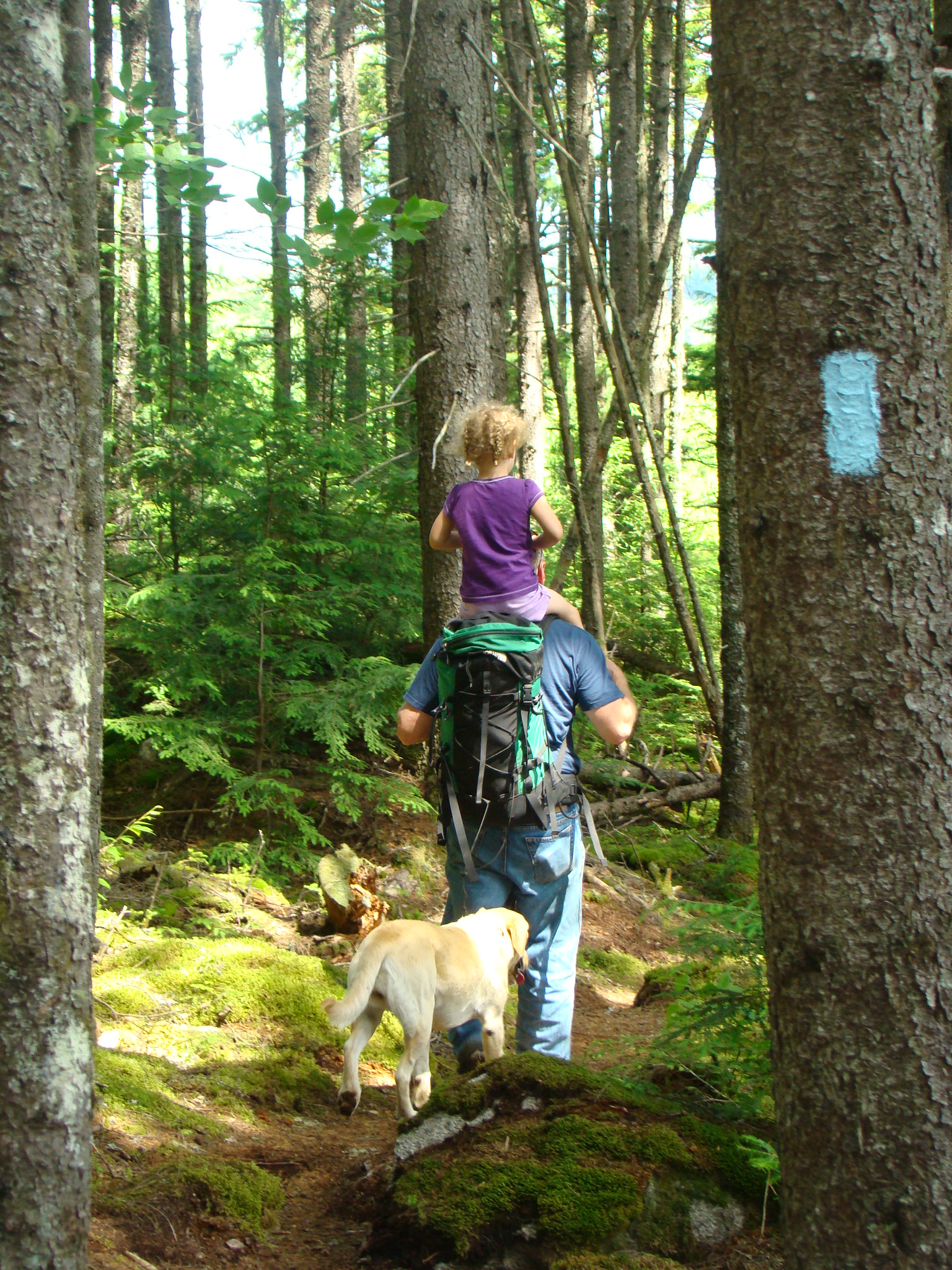
Naturalistic Intelligence.
Intrapersonal Intelligence.


body/Kinesthetic Intelligence.

Verbal/Linguistic Intelligence.


I don't know why, but it never really occurred to me that I was a primarily Naturalistic learner, I new I was a very hands on learner, and that I like to reflect internally on what I am learning, as well reading up on and asking further questions. Looking back now though, I can see where my Naturalistic intelligence came in, I was always outside, and learning about the plants and animals around me, constantly observing and later asking questions, I have also always loved to read and reflect when I am outside in nature.
I feel fortunate in that my learning needs were met pretty well as a young child, I won't lie and say that it was perfect, I do remember that all of the various teachers that I did have, that they tried to be very intentional in their interactions with me and other children. Two of my favorite teachers growing up were my Mother and my next door neighbor Mrs. Griffin. Looking back I realize now that my Mother worked very hard to meet each of my siblings and I at our individual levels and learning styles, and Mrs. Griffin was my amazing neighbor who was like another grandmother in some ways, she taught me about flowers and china painting to name a couple of things, and she encouraged our developing sense of responsibility and enterprise by "hiring" us all at some point, to care for her and her husbands garden and cats while they were away visiting family or camping.
While my childhood was hardly all sunshine and roses, there were some amazing teachers along the way that helped keep me on track more or less.
Naturalistic Intelligence.
Intrapersonal Intelligence.
body/Kinesthetic Intelligence.
Verbal/Linguistic Intelligence.
I don't know why, but it never really occurred to me that I was a primarily Naturalistic learner, I new I was a very hands on learner, and that I like to reflect internally on what I am learning, as well reading up on and asking further questions. Looking back now though, I can see where my Naturalistic intelligence came in, I was always outside, and learning about the plants and animals around me, constantly observing and later asking questions, I have also always loved to read and reflect when I am outside in nature.
I feel fortunate in that my learning needs were met pretty well as a young child, I won't lie and say that it was perfect, I do remember that all of the various teachers that I did have, that they tried to be very intentional in their interactions with me and other children. Two of my favorite teachers growing up were my Mother and my next door neighbor Mrs. Griffin. Looking back I realize now that my Mother worked very hard to meet each of my siblings and I at our individual levels and learning styles, and Mrs. Griffin was my amazing neighbor who was like another grandmother in some ways, she taught me about flowers and china painting to name a couple of things, and she encouraged our developing sense of responsibility and enterprise by "hiring" us all at some point, to care for her and her husbands garden and cats while they were away visiting family or camping.
While my childhood was hardly all sunshine and roses, there were some amazing teachers along the way that helped keep me on track more or less.
Wednesday, December 2, 2015
medical and dental resources
There are a wide variety of resources available to families in need to help them find medical and dental insurance as well as to help them find healthcare providers and dentists for their whole family.
Washington state has recently implemented a fairly comprehensive universal healthcare program, that goes a long ways towards benefitting the state as a whole. By making it possible for every family to have healthcare affordably, a huge burden and worry was lifted from a significant portion of the populations shoulders.
I have found and listed a number of agencies that specialize in connecting families to the resources that they need.
Washington Information Network 2-1-1 - Access the 2-1-1 database by selecting “Search” from in the link. Search for dental resources by city, county, or zip code. If you do not find the service you need, please dial 2-1-1 from anywhere in Washington to speak to an Information & Referral Specialist for assistance. A call center is available with translators for all languages. If you are calling from an out-of-state number, please dial toll-free: 1-877-211-WASH (9274). The Statewide Health Insurance Benefits Advisors (SHIBA) - The SHIBA HelpLine provides free help to people of all ages with questions about health care coverage, affordable health care coverage, and health care access. Spanish available. 1-800-562-6900. ParentHelp123.org - Apply online for Apple Health for Kids, Washington’s free and low cost health insurance program for children under age 19, which provides medical and dental coverage. Families can find referrals for children’s dental clinics and programs by calling the Family Health Hotline 1-800-322-2588 or using the online Resource Finder. The Center for Pediatric Dentistry (CPD) - CPD is a collaboration of the University of Washington and Seattle Children’s. CPD provides comprehensive and specialty dental care to children of all ages, including children with special needs. Medicaid accepted. 206-543-5800 American Indian Dental Services (PDF) - This brochure lists contact information for all Tribal Dental Clinics in Washington State. WA Free Clinic Association - These non-profit clinics see children and adults without dental insurance at little or no cost. WACMHC - The Washington Association of Community & Migrant Health Centers is committed to improving the oral health status of all who seek care in Washington State. ABCD Program - If you are the parent or guardian of a child under the age of six who is insured by Medicaid, he or she is eligible for the ABCD program. To find an ABCD-certified dentist in your community, contact your local ABCD program. https://www.dshs.wa.gov/esa/community-services-offices/medical-programs http://www.benefits.gov/benefits/browse-by-state/state/WA https://www.wahealthplanfinder.org/HBEWeb/Annon_DisplayHomePage.action?authn_try_count=0&contextType=external&username=string&contextValue=%2Foam&password=sercure_string&challenge_url=https%3A%2F%2Fwww.wahealthplanfinder.org |
Thursday, November 19, 2015
Nutrition and Children
Washington state childcare licensing regulations for food are fairly thorough, the regulations account for everything from what types of milk you may or may not serve to children, to approved food sources, to what type of utensils and dishes you may use. The design behind these regulations is to help support centers and schools in caring for children by giving them basic mandatory standards to follow, in order to be licensed.
Washington States regulations for food in schools and centers for children are better than some, there are for instance fast food chains and vending machines inside at least some public schools in other states. The regulations in Washington state help to limit the use of fast food in facilities, but even that is not perfect, sometimes centers and schools just don't have the necessary funding in order to always provide the healthiest options, they do the best they can with limited funding, many programs and schools source natural and local products, sometimes however, natural and local either aren't readily available or aren't readily affordable, and those programs in that position make the best out of their situations and provide the healthiest options possible.
There is always room for improvement though, I hope to continue to see progress in our food programs for children overall in the years to come.
There is always room for improvement though, I hope to continue to see progress in our food programs for children overall in the years to come.
Tuesday, October 20, 2015
If I had three wishes for change for young children and their families.
If I had three wishes to make changes for young children and their families...
One, I would wish for Universal Preschool across the board. A Universal Preschool program similar to Headstart and ECEAP, this program would offer assistance to families of all levels and needs, whether it is financial needs or emotional. Families are all different, and each family has needs that are not being met, it might be difficulty finding a job or a house, or maybe they simply need someone to talk to. The idea behind this Universal Preschool is to help everyone to grow up to be their happiest and healthiest, everyone learning to love and appreciate both themselves and others.
Two, I would wish for a broader use of nature based curriculum, that involves bringing children outside to explore, finding what captures their attention and causes them to focus in their natural environment. What causes them to focus? is it birds? or plants? animals? how do they focus, are they leading the investigation, or hanging back? I personally believe that a curriculum with a strong base in nature is the way to go. I know that not all centers have gardens or woods right outside, it is something that I know could be changed with better funded early childhood grant programs for centers and schools, aimed at improving outside learning environments.
Three, This wish is the one I would wish to change immediately. I would wish for greater oversight in the medication of young children with "behavioral problems" medications that are originally for adults and not for children . I would like to see more research on the effects of these drugs on ADULTS, that is not funded by the company making a profit off of it's use. I know that there are other services and programs we could be offering to the majority of these children for their "behavioral problems", such as counseling services both for the child and the family, self help classes teaching coping techniques for children and families as well as teachers and other professionals in public children's services. Simply allowing children more time to play outside or to engage in more free choice time where they can release pent up energy and frustration. Our society is not very good at letting children be children, we want them to act grown up before they are developmentally ready, we want them to stop acting out because it isn't appropriate, it is appropriate behavior though, it is appropriate to their development and whatever it is that is causing them to act out. We need to focus on the children and the children's needs. I would wish for much more stringent rules and regulations when it comes to prescribing medications to young children whose development could be and will be effected by them, as well as further non-profit research into the medications and their actual effects on everyone. More as well as better resources for those families who need help building extra coping skills and managing daily stress.
One, I would wish for Universal Preschool across the board. A Universal Preschool program similar to Headstart and ECEAP, this program would offer assistance to families of all levels and needs, whether it is financial needs or emotional. Families are all different, and each family has needs that are not being met, it might be difficulty finding a job or a house, or maybe they simply need someone to talk to. The idea behind this Universal Preschool is to help everyone to grow up to be their happiest and healthiest, everyone learning to love and appreciate both themselves and others.
Two, I would wish for a broader use of nature based curriculum, that involves bringing children outside to explore, finding what captures their attention and causes them to focus in their natural environment. What causes them to focus? is it birds? or plants? animals? how do they focus, are they leading the investigation, or hanging back? I personally believe that a curriculum with a strong base in nature is the way to go. I know that not all centers have gardens or woods right outside, it is something that I know could be changed with better funded early childhood grant programs for centers and schools, aimed at improving outside learning environments.
Three, This wish is the one I would wish to change immediately. I would wish for greater oversight in the medication of young children with "behavioral problems" medications that are originally for adults and not for children . I would like to see more research on the effects of these drugs on ADULTS, that is not funded by the company making a profit off of it's use. I know that there are other services and programs we could be offering to the majority of these children for their "behavioral problems", such as counseling services both for the child and the family, self help classes teaching coping techniques for children and families as well as teachers and other professionals in public children's services. Simply allowing children more time to play outside or to engage in more free choice time where they can release pent up energy and frustration. Our society is not very good at letting children be children, we want them to act grown up before they are developmentally ready, we want them to stop acting out because it isn't appropriate, it is appropriate behavior though, it is appropriate to their development and whatever it is that is causing them to act out. We need to focus on the children and the children's needs. I would wish for much more stringent rules and regulations when it comes to prescribing medications to young children whose development could be and will be effected by them, as well as further non-profit research into the medications and their actual effects on everyone. More as well as better resources for those families who need help building extra coping skills and managing daily stress.
Tuesday, August 11, 2015
In the beginning.
Goodness, is there ever a lot to take into consideration.
In the beginning of opening a center it is really insane, you really need to know what you are doing.
I do not know if I will ever be able to handle quite that much work.
To open a center you need to have a location, and you must have that location completely ready and operational when you open your doors. Being ready entails a lot more than just having all of the correct age appropriate furniture and toys, you need a mission statement and a center philosophy, not to mention a complete staff of qualified individuals to help you operate the center, kitchen staff, janitorial personel, the teaching staff, and all other vital team members, and they must all meet minimum Department of Early Learning standards for readiness in their job description, meaning everything from food handler's cards and TB tests, to finger prints and background checks, all personel must meet these minimum requirements in order to begin working. You will also need a curriculum in place as well as assessment systems, these are used to help you evaluate your program effectiveness as well as the center staff and the students individual and group development.
There are also things to consider such as funding in the initial start up phase, will you have a center where all of your staff work essentially free or at a reduced rate for the first month while you wait for payments? Most people won't go for that. So you are left either paying everyone out of your life savings (unlikely), or taking out a loan or loans to cover all of those initial start up costs...which are considerable, everything from licensing to paper napkins and crayons. The money must come from somewhere, and the majority must apply for loans to cover those costs.
That is more or less the jist of it as I see it, there are of course a few things I did not go over in this reflection, such as advertising and enrolling classes, but I feel this addresses a large chunk of the work that must be put into opening a center.
In the beginning of opening a center it is really insane, you really need to know what you are doing.
I do not know if I will ever be able to handle quite that much work.
To open a center you need to have a location, and you must have that location completely ready and operational when you open your doors. Being ready entails a lot more than just having all of the correct age appropriate furniture and toys, you need a mission statement and a center philosophy, not to mention a complete staff of qualified individuals to help you operate the center, kitchen staff, janitorial personel, the teaching staff, and all other vital team members, and they must all meet minimum Department of Early Learning standards for readiness in their job description, meaning everything from food handler's cards and TB tests, to finger prints and background checks, all personel must meet these minimum requirements in order to begin working. You will also need a curriculum in place as well as assessment systems, these are used to help you evaluate your program effectiveness as well as the center staff and the students individual and group development.
There are also things to consider such as funding in the initial start up phase, will you have a center where all of your staff work essentially free or at a reduced rate for the first month while you wait for payments? Most people won't go for that. So you are left either paying everyone out of your life savings (unlikely), or taking out a loan or loans to cover all of those initial start up costs...which are considerable, everything from licensing to paper napkins and crayons. The money must come from somewhere, and the majority must apply for loans to cover those costs.
That is more or less the jist of it as I see it, there are of course a few things I did not go over in this reflection, such as advertising and enrolling classes, but I feel this addresses a large chunk of the work that must be put into opening a center.
An ECE Director's View
I have come to the conclusion, after reviewing information and personal experiences, that it would be extremely difficult to operate a center on DSHS funding alone, there are a number of very challenging obstacles when trying to balance a budget on purely DSHS funding.
Some of these challenges include things such as late payments, a late payment will place undue financial stress on the center, negatively impacting everyone in the center from the teachers to the students, and these payments may sometimes even be two months late. Then, there are over-payments, these can happen when say a DSHS official calculates and makes payments according to an incorrect operating schedule, a large percent of early childhood education and care centers operate on federal holidays and sometimes weekends, but there are those who operate only on week days for instance, or an official might misreferences the submitted attendance forms. When overpayment occurs, the center is responsible for repaying the over-payment out of the centers current operating budget, see the difficulties there? And that is not even covering parents/guardians who being human might forget to submit their re-evaluation paperwork, leading to discontinued subsidy payments which of course leads once again to financial difficulty, leaving our center directors in a bit of a lurch, left to choose between scheduling a breaker and keeping the lights on. Also it is worth noting that those payments that are missed, are not reimbursed through DSHS, it is up to the center directors to persue payment from their patrons.
All in all though, the DSHS childcare subsidy programs can be and are very helpful, I do believe however that it would be a nearly insurmountable challenge to operate a center on %100 DSHS funding, you know, unless you just happen to have a wealthy benefactor filling in all the blanks through generous donations...but really, who has that?
The Road to NAEYC Accreditation
The road to accreditation is a fairly lengthy one, but it is designed to help you develop your program and bring it into alignment with the 10 NAEYC standards and their criteria. The phase of self study is the time when you initially ( if you haven't already ) start practicing a more intentional approach to teaching and caring for young children, working to align your program with the NAEYC standards. During this time you are also collecting your own data, assessing your progress through the collected data, and you will also select a sample of this data as evidence of your readiness to begin the application and assessment process for NAEYC accreditation.
In order to prove that they are indeed ready to move forward with the assessment, toward the ultimate goal of accreditation, the program must submit their sample data as a part of their application in order to even be considered for candidacy, to include all documented evidence of the entire teaching staff's education and qualifications, diplomas, stars training, CDA's, CPR, etc..., failure to provide these documents would result in you being unable to be assessed for further assessment. Once a program has entered into the assessment phase, they must prepare for a site visit at any time during a six month window, also ensuring to providing an additional sample set of data, as a part of the hard copy evidence for the NAEYC assessor at the time of their assessment.
Those programs that do become accredited are accredited for a five year term, however, they must be careful to maintain their level of program quality, and maintain their alignment with the NAEYC standards, or else if they fall beneath a certain level of alignment, they risk losing their accredited status.
The road to accreditation usually takes around two years, and it is very worth it. If and when you do bring your program into alignment with the NAEYC standards, and you attain your accreditation, then you know that you and your program have truly have progressed in how you assist young children in their learning and development.
I feel it is worth mentioning that there are those programs who enroll in the self study process, simply to begin the self study process itself and they do not necessarily intend to move into the application phase within the usual time frame, if ever.
I believe that the NAEYC standards and accreditation process are extremely beneficial to those programs who enroll in and utilize it.
I have included a link to the NAEYC accreditation webinar, detailing the steps of applying for NAEYC accreditation as well as NAEYC own resources to better facilitate the application process.
http://www.naeyc.org/files/academy/file/webinar/4steps/player.html
In order to prove that they are indeed ready to move forward with the assessment, toward the ultimate goal of accreditation, the program must submit their sample data as a part of their application in order to even be considered for candidacy, to include all documented evidence of the entire teaching staff's education and qualifications, diplomas, stars training, CDA's, CPR, etc..., failure to provide these documents would result in you being unable to be assessed for further assessment. Once a program has entered into the assessment phase, they must prepare for a site visit at any time during a six month window, also ensuring to providing an additional sample set of data, as a part of the hard copy evidence for the NAEYC assessor at the time of their assessment.
Those programs that do become accredited are accredited for a five year term, however, they must be careful to maintain their level of program quality, and maintain their alignment with the NAEYC standards, or else if they fall beneath a certain level of alignment, they risk losing their accredited status.
The road to accreditation usually takes around two years, and it is very worth it. If and when you do bring your program into alignment with the NAEYC standards, and you attain your accreditation, then you know that you and your program have truly have progressed in how you assist young children in their learning and development.
I feel it is worth mentioning that there are those programs who enroll in the self study process, simply to begin the self study process itself and they do not necessarily intend to move into the application phase within the usual time frame, if ever.
I believe that the NAEYC standards and accreditation process are extremely beneficial to those programs who enroll in and utilize it.
I have included a link to the NAEYC accreditation webinar, detailing the steps of applying for NAEYC accreditation as well as NAEYC own resources to better facilitate the application process.
http://www.naeyc.org/files/academy/file/webinar/4steps/player.html
Tuesday, August 4, 2015
Our Communities Family Resources
Well, I found a lot of really useful resources for those families that are interested in the early childhood education field. Whether they just want to start from the ground up and learn as they go with things like STARS classes, or jump in and start working on their degree or certificates in college, there are an abundance of resources, free book programs within the local library systems, and early achievers for those diving straight into the early education centers, these programs will help them to develop their competence and effectiveness, whether they are new to the field or not. Then there are resources such as DSHS, and Washington Connection for those who choose to attend college, some might need to take a reduction in hours or even need to leave their job in order to go to school, those families have need of some different resources, in addition to those resources there to help you to become a more effective teacher.
I found a variety of training programs, and free resource programs for early learning center directors and teachers, the kind of resources that would make starting out as a new teacher a little less stressful.
I would offer all of these resources to those families who are interested in the early education field.
https://www.psesd.org/careers/
https://www.psesd.org/services/learning-and-teaching/arts-impact/
https://www.psesd.org/services/learning-and-teaching/early-learning/
https://www.piercecountylibrary.org/kids-teens/parents-caregivers/child-care-providers/stars-trainings.htm
http://wa.childcareaware.org/
Community Resources

http://www.tacoma.k12.wa.us/Careers/Pages/default.aspx
http://www.wsac.wa.gov/state-work-study
https://www.dshs.wa.gov/food-cash-medical
http://www.basicfoodet.org/
http://www.del.wa.gov/care/qris/
http://www.del.wa.gov/providers-educators/
http://www.del.wa.gov/Professional/merit.aspx
http://www.del.wa.gov/requirements/info/background.aspx
http://www.earlychildhoodteacher.org/teacher-tools/
http://www.naeyc.org/files/yc/file/200707/ClusterResources.pdf
I found a variety of training programs, and free resource programs for early learning center directors and teachers, the kind of resources that would make starting out as a new teacher a little less stressful.
I would offer all of these resources to those families who are interested in the early education field.
https://www.psesd.org/careers/
https://www.psesd.org/services/learning-and-teaching/arts-impact/
https://www.psesd.org/services/learning-and-teaching/early-learning/
https://www.piercecountylibrary.org/kids-teens/parents-caregivers/child-care-providers/stars-trainings.htm
http://wa.childcareaware.org/
The page shown below was copied from http://wa.childcareaware.org/, I found Childcare aware to have a number of very useful resource links for families here in Washington.
Family Resources
Community Resources 
Washington Connection- local resources in every county statewide
Apple Health - free or low cost medical insurance program for children
211- statewide database of community resources
Child Development
Parent Help 123- Information on local resources, pregnancy, child development and programs for families.
Kindergarten Readiness- Learn if your child is ready to start kindergarten
Vroom- Ideas for turning everyday moments into brain-building opportunities for your infant, toddler, or preschooler
Institute of Learning and Brain Sciences- I-LABS at the University of Washington is building an online library of resources for parents. Modules use videos and pictures to share research. The modules also explain why each topic is important to child development.
Zero to Three- a national, nonprofit organization that provides parents, professionals and policymakers the knowledge and know-how to nurture early development.
Our Family Center Newsletters- Articles and information about child development
http://www.wsac.wa.gov/state-work-study
https://www.dshs.wa.gov/food-cash-medical
http://www.basicfoodet.org/
http://www.del.wa.gov/care/qris/
http://www.del.wa.gov/providers-educators/
http://www.del.wa.gov/Professional/merit.aspx
http://www.del.wa.gov/requirements/info/background.aspx
http://www.earlychildhoodteacher.org/teacher-tools/
http://www.naeyc.org/files/yc/file/200707/ClusterResources.pdf
Friday, July 31, 2015
Guidance Techniques.
When I started researching I decided to take a look at some of my fellow classmates resources and reflections on their own blogs, I really liked what I saw and it helped give me a better idea of what to look at, and what to keep in mind. ( Thank you, my friends. )
I found a number of resources for guidance techniques for young children, and below are the six guidance techniques that I have chosen as some of my favorites that I would use to guide young children, in a center classroom or at home.
Some of the guidance techniques that I have come across in my research are new to me, such as changing the environment...I've done this on occasion, though not usually intentionally thinking " I am going to facilitate their behavioral development in this way." I was usually just making adjustments, and they led to unintentional, though certainly not unwelcome behavioral improvements. Some of these guidance techniques are not so new to me, techniques such as redirecting and offering substitutes, this is one of my go to solutions, especially for younger children.
Redirection can be very effective in diffusing a volatile situation, sometimes all a child needs is a hug and someone to show them a new activity.
I have included the links to the articles that I used as my resources at the bottom of the page.
Ignore Non-Disruptive Inappropriate Behavior
Children who behave inappropriately often receive the most attention from adults. Children who chronically misbehave are usually convinced that the only way they can get attention is through negative actions. While some behaviors cannot be ignored (unsafe or hurtful actions), some simply annoying ones can be safely overlooked. By ignoring these behaviors, the child will eventually see there is no gain in using that language or that behavior, and it may not be repeated.
- Limit attention to children who are used to negative responses from adults.
- "Catch the child being good" and then use effective praise when children are engaging in desired behaviors. Too often children get attention for inappropriate behaviors and are left alone when they are playing appropriately or when things are quiet and controlled in early childhood settings.
Offer Choices
Offering choices gives children some control over their own behavior, shows respect for them as individuals, and encourages independence. When children are given options to choose from, they are more likely to cooperate and meet classroom expectations.
"It's time to clean up the house area. Which will you put away, the dishes or the dolls?"
Change the Environment to Promote Behavior Changes.
Wise caregivers look for the causes of misbehavior.Are there squabbles over too few toys? Are children climbing because materials are out of reach? Are children whiny and cranky because meals and naptimes are too late? Consider changes in the environment that can make you less irritated and the children less frustrated.
• Toddler Hannah spills Hannah uses a tall, narrow Hannah uses a heavy, broad-bottomed her milk—every day. plastic cup. cup.
• Carlos and Sam fight There are 10 cardboard There are 40 blocks in a variety of shapes. over blocks. stacking blocks.
• Milton can’t find his There is one jumbled shelf unit Each child has a labeled hook and cubby shoes. for children’s items. for storing personal items.
Redirect and Offer Acceptable Substitutes
- Give children acceptable alternatives rather than telling them what they cannot choose.
- Privately (quietly so just that child can hear) remind the child of the classroom rule and then redirect by offering an alternative or giving a choice."Mohammed, it's not safe to pull the rolling pin away from Mariah. Mariah is using that rolling pin right now. Pick another toy until she is done.""Bobbie is sitting there, Susie. Remember, there is only one child on a carpet square. You need to find another seat. Tomorrow you can have a turn sitting next to me.""Blocks are for building. You can make a house or a barn or a road for the trucks."
- When necessary, remove the child from the problem area and redirect to another activity."Julie, you're having trouble sharing the blocks. I can't let you hurt other people by pushing. It's not so crowded at the water table. I think you might have fun there. We have some new toys there. Let's go to the water table."
Facilitate Problem Solving with Children
Children can be taught a problem-solving process to resolve interpersonal conflicts. Below are ways teachers can help children to work through five steps to problem solving:
- What is the problem?
- What can you do?
- What might happen if . . . ?
- Choose a solution and use it.
- Is it working?
Show Respect. Showing the child respect will help her know she is being guided not punished. The following three tactics will help: 1) Move to the child, instead of calling over to her; 2) Squat or kneel to her level; and 3) Look kindly into her eyes.
http://circle.adventist.org/files/jae/en/jae200568023707.pdf
http://www.education.com/reference/article/positive-guidance-techniques/
Thursday, July 30, 2015
Becoming an Administrator.
...oh where to start? Do your groundwork. The sheer amount of work to be done before you even open a center is phenomenal.
First things first, you MUST go to the Child Care Center Orientation, no getting out of it.
A center administrator should make sure of many things before starting the licensing process, because you've only got 90 days. For instance, An administrator looking at starting from the ground up, should make doubly sure that any building that they are considering for their site meets local city/county ordinances, it is a real pain to find out that the building you just took out a loan for needs $50k in safety updates, it is best to see if the Fire Marshall can take a look first as he can set you straight. That is just a small sample of the challenges that you face as an administrator, as an administrator you must make sure you are completely up to date on all regulations and training programs, and you need to ensure all of your staff are up to date in all of their training programs and that they are on the up-n-up with all those regulations too. Quite a hefty load.
All of that, and I have only just scraped the surface of what administrators and directors need to accomplish and have in place, in order to run and maintain a center.
There is so much more, Declarations of Compliance, DEL portable background checks, finger prints, lists of staff and documentation showing they are clear to go, floor plans drawn to scale, parent policies, USDA nutrition guidelines, CACFP, etc, etc, the list goes on and on. So, it is very wise to have all of your ducks in a row when applying to open and run a new center, and even if you are "simply" taking over an existing center.
I take my hat off to all of the administrators and directors who work so hard to open these centers, and then put in the time to keep them open, helping families and their children.
First things first, you MUST go to the Child Care Center Orientation, no getting out of it.
A center administrator should make sure of many things before starting the licensing process, because you've only got 90 days. For instance, An administrator looking at starting from the ground up, should make doubly sure that any building that they are considering for their site meets local city/county ordinances, it is a real pain to find out that the building you just took out a loan for needs $50k in safety updates, it is best to see if the Fire Marshall can take a look first as he can set you straight. That is just a small sample of the challenges that you face as an administrator, as an administrator you must make sure you are completely up to date on all regulations and training programs, and you need to ensure all of your staff are up to date in all of their training programs and that they are on the up-n-up with all those regulations too. Quite a hefty load.
All of that, and I have only just scraped the surface of what administrators and directors need to accomplish and have in place, in order to run and maintain a center.
There is so much more, Declarations of Compliance, DEL portable background checks, finger prints, lists of staff and documentation showing they are clear to go, floor plans drawn to scale, parent policies, USDA nutrition guidelines, CACFP, etc, etc, the list goes on and on. So, it is very wise to have all of your ducks in a row when applying to open and run a new center, and even if you are "simply" taking over an existing center.
I take my hat off to all of the administrators and directors who work so hard to open these centers, and then put in the time to keep them open, helping families and their children.
Nutrition USDA
What is the process to apply for the Child and Adult Care Food Program for an early learning center?
Initially you will need to contact your states CACFP specialists, from there they will send you the application packet, and supply you with further information and answer questions on the application process.
New applications must be requested from OSPI, programs that would like to maintain there participation must fill out and submit a yearly renewal packet.
As part of your application to gain approval for the CACFP program, you must attend a mandatory training on program requirements prior to your approval, also, you must conduct a study month, documenting and logging all attendance and meals for all children everyday for one month, you must also obtain a filled out income eligibility form from each family enrolled and attending your center, your programs reimbursement is based on the income levels of the families served by your center.
What are the requirements the centers must follow after they are approved?
Centers must follow all WAC guidelines as part of their continued eligibility for the CACFP program, they must also meet all USDA nutrition guidelines, following the USDA charts for which foods should and should not be served, filling out a complete meal chart for every day and every meal, for every child. Centers must also stay up to date on all health and safety practices pertaining to food.
Directors and Administrators must also attend this training yearly as CACFP program requirement.
- Child Care - Annual Training Webinar
Webinar Aug 5, 2015 at 1:00 pm
What is the benefit?
One major benefit, is to the families impacted by this meal assistance program, the financial stress that is lightened by the CACFP program is substantial. When Centers utilize this program they lighten not just the families burden but also their own, families no longer have to wonder how they will pay for their children's meals at school, they can then focus their attention on other equally important matters, and those centers need not worry about parents who are struggling to make those meal payments, the costs of those meals are now covered. Everyone's stress levels just went down.
Would I use the food program in my center?
Yes, I would use the CACFP program in my Center, because while it might be challenging to implement, it is incredibly worthwhile to every member of my center. By utilizing this program, worries are taken from families, they no longer need to choose between feeding their children and the car payment, and the Directors and Administrators no longer need to choose between keeping the center lights on or their own.
Monday, July 27, 2015
My E.C.E Philosophy
Early childhood teachers, hold a great many responsibilities in their hands, responsibilities that many might not realize they hold.
A teacher is an instructor to be sure, but they are and should be so much more. A teacher is a sculptor and a gardener, an artist and a scientist, a warm nurturing presence as well as a stern disciplinarian, etc, etc. There are a lot of hats to wear when you are a teacher, We have many roles.
We have the job of aiding parents and guardians in raising their young children, this job seems to become more difficult every year. The truth of the matter is this, we as adults are often very selfish, to often teachers just want to take the easy way, which is understandable, they are only human.
It is very easy to ignore or trivialize a child's problems and feelings, we as a society often feel that we've "earned the right" to be in control, and that children can just deal with it until it is their turn. I remember this attitude from my own childhood, it sucked plain and simple, and it certainly didn't help my ability to work with or get along with others, fortunately this wasn't always the prevalent attitude in my childhood.
One thing that I deeply appreciate about my life growing up, was my deep entrenchment in nature.
I grew up in the woods, the woods in the foothills of the sierra Nevada's in northern California. I still very clearly recall the towering pine trees, and the spreading branches of the Madrona trees, I loved watching my gardens bloom along with all of the wild flora, and I was always so surprised and excited by all of the animals I would see everyday. I knew when spring was coming when the robin redbreast's started flitting around, I also new it would probably mean more kittens soon too. I know these things because I grew up in nature, I learned to appreciate it and respect it. I now know that those things I learned then, that seem so trivial to some, are extremely important to our overall growth and development, that connection to nature is vital to our social-emotional and cognitive development, that connection to nature can also be used to further children's development in other areas as well, such as fine and gross motor skills, science and art, etc, etc.
I believe that when we teach children, we should place emphasis on nature and teach in nature whenever possible. Obviously it is not always practical to teach in a forest or even just outside in the school garden, this why I believe classrooms should be constructed and designed to better incorporate nature into the curriculum, decorating the classroom with various non-toxic ( as well as forgiving ) houseplants plants, such as common fresh herbs used for seasoning for the children to help take care of, also class pets where possible. I also believe that children should be encouraged to just go outside and watch, and to "journal" about what they see and hear, and then to share what they recorded in their journal with their class. Activities like this build on children's awareness of the world around them, it builds language skills through discussion after their journal time, teacher's can help provide or find names for new things that their students otherwise might not have a name for. We have a great many things to learn from nature, I believe starting early is of utmost importance.
I believe in respecting each individual child as well as their home and culture. I believe in promoting the connection between home and school, this connection is vital to not only the child, but to the family and to the teacher. When the connection between home and school is not strong and steady, their is increased stress for the child, the family, and the teacher, When there is increased stress, development for the child can become arrested, leading to certain potentials never being reached.
To promote the connection between the teacher, child, and home, I would plan a number of interactive events, such as nature hikes, or cultural exchange parties, inviting parents and other relatives to come and participate in these events. I would also be sure to encourage parents and relatives to volunteer in the classroom on a regular basis, thus creating not only child oriented learning, but family oriented learning. I feel that when parents and other family members are more actively involved in the classroom, that they are more involved with their child's education and development at home as well as more aware of the importance of that education and development in the home environment. In addition I would also be sure to maintain a monthly newsletter, detailing what we will primarily focus on, birthdays that month, fun family activities and resource events for the month, and also a brief summary of the month previous.
I would welcome each child and family, no matter how they differ, whether it be a difference in religion, or heritage, or special needs, be it a dietary restriction or a physical or developmental handicap, I would do my best to reasonably accommodate each individual child and family to best promote each child's growth. No one should ever feel ostracized because they are different.
My philosophy is a bit of a mixed bag, I take some of my curriculum cues from others, such as Reggio Amelia, the Forest schools, the Green school (Bali), and also from the Guba Farm Playschool (Swaziland), I recently discovered some of these approaches to teaching children and some of them I've known of previously, and I have found that they very much support my belief that children have the right and the need to be treated with respect, and that they be allowed to learn in a way that is natural to them, through play and discovery, and that nature and natural materials should be promoted not shunned, that community is essential, pooling resources to help everyone adult and child alike to meet the best possible outcome.
One thing that I deeply appreciate about my life growing up, was my deep entrenchment in nature.
I grew up in the woods, the woods in the foothills of the sierra Nevada's in northern California. I still very clearly recall the towering pine trees, and the spreading branches of the Madrona trees, I loved watching my gardens bloom along with all of the wild flora, and I was always so surprised and excited by all of the animals I would see everyday. I knew when spring was coming when the robin redbreast's started flitting around, I also new it would probably mean more kittens soon too. I know these things because I grew up in nature, I learned to appreciate it and respect it. I now know that those things I learned then, that seem so trivial to some, are extremely important to our overall growth and development, that connection to nature is vital to our social-emotional and cognitive development, that connection to nature can also be used to further children's development in other areas as well, such as fine and gross motor skills, science and art, etc, etc.
I believe that when we teach children, we should place emphasis on nature and teach in nature whenever possible. Obviously it is not always practical to teach in a forest or even just outside in the school garden, this why I believe classrooms should be constructed and designed to better incorporate nature into the curriculum, decorating the classroom with various non-toxic ( as well as forgiving ) houseplants plants, such as common fresh herbs used for seasoning for the children to help take care of, also class pets where possible. I also believe that children should be encouraged to just go outside and watch, and to "journal" about what they see and hear, and then to share what they recorded in their journal with their class. Activities like this build on children's awareness of the world around them, it builds language skills through discussion after their journal time, teacher's can help provide or find names for new things that their students otherwise might not have a name for. We have a great many things to learn from nature, I believe starting early is of utmost importance.
I believe in respecting each individual child as well as their home and culture. I believe in promoting the connection between home and school, this connection is vital to not only the child, but to the family and to the teacher. When the connection between home and school is not strong and steady, their is increased stress for the child, the family, and the teacher, When there is increased stress, development for the child can become arrested, leading to certain potentials never being reached.
To promote the connection between the teacher, child, and home, I would plan a number of interactive events, such as nature hikes, or cultural exchange parties, inviting parents and other relatives to come and participate in these events. I would also be sure to encourage parents and relatives to volunteer in the classroom on a regular basis, thus creating not only child oriented learning, but family oriented learning. I feel that when parents and other family members are more actively involved in the classroom, that they are more involved with their child's education and development at home as well as more aware of the importance of that education and development in the home environment. In addition I would also be sure to maintain a monthly newsletter, detailing what we will primarily focus on, birthdays that month, fun family activities and resource events for the month, and also a brief summary of the month previous.
I would welcome each child and family, no matter how they differ, whether it be a difference in religion, or heritage, or special needs, be it a dietary restriction or a physical or developmental handicap, I would do my best to reasonably accommodate each individual child and family to best promote each child's growth. No one should ever feel ostracized because they are different.
My philosophy is a bit of a mixed bag, I take some of my curriculum cues from others, such as Reggio Amelia, the Forest schools, the Green school (Bali), and also from the Guba Farm Playschool (Swaziland), I recently discovered some of these approaches to teaching children and some of them I've known of previously, and I have found that they very much support my belief that children have the right and the need to be treated with respect, and that they be allowed to learn in a way that is natural to them, through play and discovery, and that nature and natural materials should be promoted not shunned, that community is essential, pooling resources to help everyone adult and child alike to meet the best possible outcome.
Tuesday, May 26, 2015
My reflection on : Getting ready to read and the NAEYC joint position statement.
These two articles are both very important and relate to and support each other.
In the NAEYC position statement we look at how we as early childhood educators can encourage and support, parental involvement and interaction, retention of the home language and culture as well as promote better communication between the parents, the child and the educator. Better communication will result in a better experience for all involved.
In "Getting ready to read" we look at and get a general over view of just how important linguistic interaction is between parent and child, the age of the child does not impact the importance, but rather the use and application of the knowledge gained from the linguistic interaction with the parent. For instance, a six week old infant will not gain the same depth of knowledge from the song "the wheels on the bus", but that does not diminish the importance of singing to that infant, they will learn an instinctive knowledge of cadence in language and music, etc... . The knowledge these children gain might not be readily apparent, but down the road it will become more and more prominent.
When parents are encouraged to keep up communication with their children, regardless of the language with which they are communicating, it helps the child to understand language in general (written and spoken) better. Every child is different and has their own learning style and rate, when the teacher has good communication with the family, as well as the child, they all have a better idea of that learning style and rate.
I really appreciate it, that in both articles different scenarios are used as examples that are everyday happenings that most would write off, they encourage us to look at those situations and instances in a new light.
In the NAEYC position statement we look at how we as early childhood educators can encourage and support, parental involvement and interaction, retention of the home language and culture as well as promote better communication between the parents, the child and the educator. Better communication will result in a better experience for all involved.
In "Getting ready to read" we look at and get a general over view of just how important linguistic interaction is between parent and child, the age of the child does not impact the importance, but rather the use and application of the knowledge gained from the linguistic interaction with the parent. For instance, a six week old infant will not gain the same depth of knowledge from the song "the wheels on the bus", but that does not diminish the importance of singing to that infant, they will learn an instinctive knowledge of cadence in language and music, etc... . The knowledge these children gain might not be readily apparent, but down the road it will become more and more prominent.
When parents are encouraged to keep up communication with their children, regardless of the language with which they are communicating, it helps the child to understand language in general (written and spoken) better. Every child is different and has their own learning style and rate, when the teacher has good communication with the family, as well as the child, they all have a better idea of that learning style and rate.
I really appreciate it, that in both articles different scenarios are used as examples that are everyday happenings that most would write off, they encourage us to look at those situations and instances in a new light.
Wednesday, May 20, 2015
Teaching Tolerance : Mix It Up
I have just finished an initial exploration of tolerance.org, and here are my thoughts on one of the small pieces that I read and the corresponding video.
I really appreciate the video about the Mix It Up Lunch Day, up to now I had no idea about the
Mix It Up Lunch Day, or what it is. It is very exciting to me that there are these types of social movements in school, I feel that people in general unconsciously separate themselves into groups, no matter where they are. It is a default, we automatically default to what we and who we know best, we are creatures of habit, and it takes a great deal of self awareness to break any habit.
I appreciate this Lunch Day idea, because it promotes better social awareness and social comfort, no matter what kind of situation you might find yourself in. If our young people learn consciously, that they may step outside of their social bubble, and that it can and will be (in most instances.) a positive experience, and and opportunity to learn and make further meaningful connections.
http://www.tolerance.org/mix-it-up/what-is-mix
Sunday, May 17, 2015
Responding to linguistics and cultural diversity recommendations for effective early childhood education.
Responding to Linguistic and Cultural Diversity Recommendations for Effective Early Childhood Education. ( A position statement of the National Association for the Education of Young Children. )
So, this is what I have taken away from this particular article.
Being aware and respectful of a child's home language and culture, as well as being open-minded and encouraging of that home language and culture, promoting the sharing and understanding of different home cultures and languages.
This does not only refer to those children who speak a language other than English, there may be children whose primary language is English, but they originate from England, thus their language and culture will be vastly different in some respects. That home language and culture still needs and deserves respect.
The second a child's home language and culture is devalued, that is when they will start to disconnect from their home language and culture. This is extremely detrimental to the child, the family, and to the educators. There will be a barrier between the child's family and their education.
When a child "loses" their home language and culture, they lose a part of their identity. Learning will become difficult, the communication barrier between the child and their family will hinder the sharing of knowledge and information.
Children who are encouraged to embrace, hold on to, and share about their home language and culture, will value their home culture and those of others, more. They better understand how important their home, and the homes of others are. Also, children that gain mastery of their home language, will be better equipped to gain mastery of English. It is also important to remember that every child will absorb English in a different way, as well as at a different rate.
Encouraging respectful curiosity is of the utmost importance. By sharing cultural information we realize how we are similar, and also how we are different. Sometimes our differences are minor and relatively unimportant, and sometimes they are huge differences, and those differences both big and small are chances to learn from each other.
Everyone's culture is deserving of respect.
So, this is what I have taken away from this particular article.
Being aware and respectful of a child's home language and culture, as well as being open-minded and encouraging of that home language and culture, promoting the sharing and understanding of different home cultures and languages.
This does not only refer to those children who speak a language other than English, there may be children whose primary language is English, but they originate from England, thus their language and culture will be vastly different in some respects. That home language and culture still needs and deserves respect.
The second a child's home language and culture is devalued, that is when they will start to disconnect from their home language and culture. This is extremely detrimental to the child, the family, and to the educators. There will be a barrier between the child's family and their education.
When a child "loses" their home language and culture, they lose a part of their identity. Learning will become difficult, the communication barrier between the child and their family will hinder the sharing of knowledge and information.
Children who are encouraged to embrace, hold on to, and share about their home language and culture, will value their home culture and those of others, more. They better understand how important their home, and the homes of others are. Also, children that gain mastery of their home language, will be better equipped to gain mastery of English. It is also important to remember that every child will absorb English in a different way, as well as at a different rate.
Encouraging respectful curiosity is of the utmost importance. By sharing cultural information we realize how we are similar, and also how we are different. Sometimes our differences are minor and relatively unimportant, and sometimes they are huge differences, and those differences both big and small are chances to learn from each other.
Everyone's culture is deserving of respect.
Friday, May 8, 2015
My introduction.
Hello all,
My name is Grace, and I am not altogether sure as to how this will go, and I am pretty much winging everything right now.
...well, I've never had a blog before...so that's something about me, for a start. I am in my first quarter at Bates Technical College in the Early Childhood Education program, and so far I am really enjoying everything. I will hopefully continue to enjoy everything.
So, a little more about me. I am a married mother of two, an artist, a baker, a nature enthusiast, and now a blogger, etc... the list could keep going on forever really. I am almost constantly finding something new to learn and enjoy, and I love to share the things that I learn and do. I love to help others, I hope that through sharing the things that I learn about and that I love to do, that I can make someone else's journey that much simpler if not easier. Life is short enough and difficult enough, if I can ease my own and others burdens and journeys I will.
I honestly am not sure what else there might be to say, so I will leave it at that for now.
Until next time,
Grace.
My name is Grace, and I am not altogether sure as to how this will go, and I am pretty much winging everything right now.
...well, I've never had a blog before...so that's something about me, for a start. I am in my first quarter at Bates Technical College in the Early Childhood Education program, and so far I am really enjoying everything. I will hopefully continue to enjoy everything.
So, a little more about me. I am a married mother of two, an artist, a baker, a nature enthusiast, and now a blogger, etc... the list could keep going on forever really. I am almost constantly finding something new to learn and enjoy, and I love to share the things that I learn and do. I love to help others, I hope that through sharing the things that I learn about and that I love to do, that I can make someone else's journey that much simpler if not easier. Life is short enough and difficult enough, if I can ease my own and others burdens and journeys I will.
I honestly am not sure what else there might be to say, so I will leave it at that for now.
Until next time,
Grace.
Subscribe to:
Posts (Atom)